Non-Barley Grains in Craft Brewing: Process, Flavor, and Brewhouse Constraints
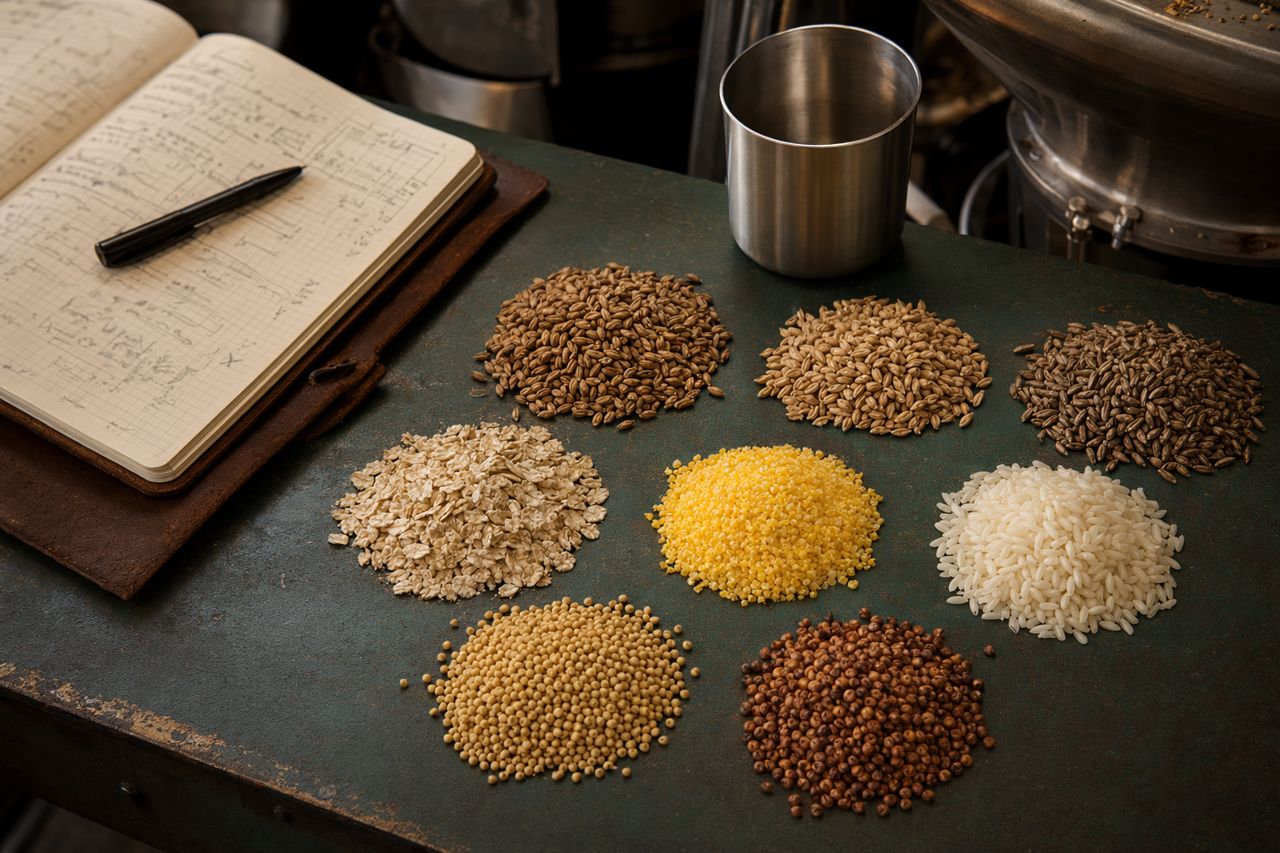
Non-barley grains can make a beer feel more local, more textural, more expressive, or simply more cost-aware. Wheat brings foam and softness. Rye brings spice and viscosity. Oats bring body and haze. Corn and rice can lighten the palate. Sorghum, millet, buckwheat, and quinoa open doors for gluten-conscious and regional brewing programs.
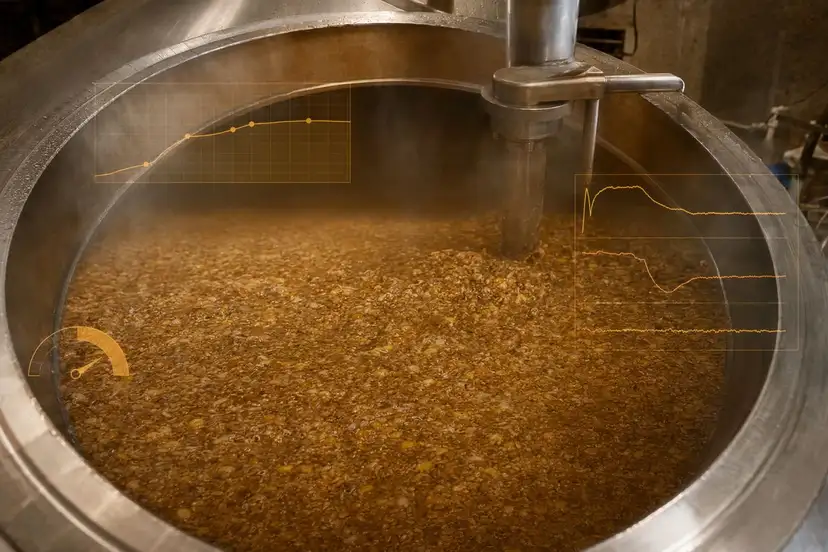
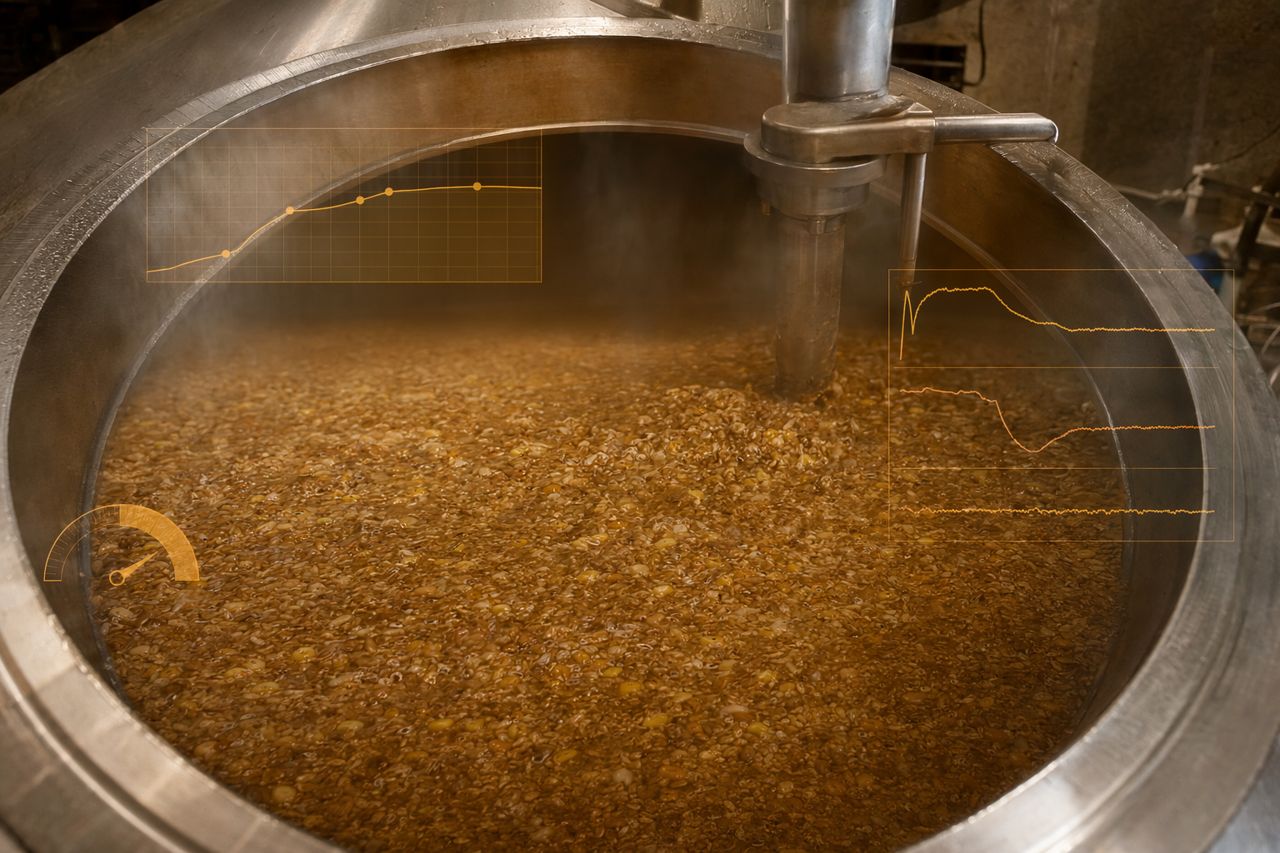
But the brewhouse does not treat every grain like well-modified malted barley. A mash bill that looks straightforward on paper can change runoff speed, extract recovery, fermentability, filtration load, and flavor stability in the cellar.
Mashwright works as a brewing enzyme supplier for craft breweries that want to push beyond standard barley grists without turning every brew day into a risk event. The goal is not to strip character from the recipe. The goal is to help the grain express itself while the process stays predictable.
Why non-barley grains behave differently in the mash
Barley became the standard brewing grain because it brings a useful balance: starch, husk structure, protein, and its own enzymatic toolkit after malting. Many alternative grains are valuable for flavor and positioning, but they can be short on one or more process supports.
Common differences include:
- Lower husk contribution, which can reduce filter bed structure during lautering.
- Higher beta-glucan or arabinoxylan load, which can increase wort viscosity.
- Different starch gelatinization behavior, especially in raw or minimally processed grains.
- Different protein quality, which can affect foam, haze, yeast nutrition, and downstream separation.
- Lower native enzyme contribution, particularly when using raw adjuncts, toasted grains, flakes, or specialty grains.
A craft brewery can work around these differences with grist design, milling, mash schedule, rice hulls, cereal cooking, and careful lauter management. Enzymes add another practical lever: targeted conversion support without forcing the beer away from its intended identity.
The production opportunity: more grains, less brewhouse drama
Non-barley grains are not only about novelty. They can support several real commercial goals:
Flavor and differentiation
Alternative grains create sensory markers that customers understand: silky oat pale ales, spicy rye saisons, wheat-driven foam in farmhouse beer, crisp rice lagers, corn-accented cream ales, and sorghum-based specialty beers.
Local supply and storytelling
Regional wheat, heirloom corn, local rye, or small-farm oats can strengthen a brewery’s local credibility. The challenge is that local grain lots may vary more than commodity malt, so process control matters.
Cost and availability flexibility
Adjunct grains can help manage raw material cost or supply pressure, but only if the brewery protects extract recovery and cellar performance.
Product line expansion
Non-barley grains can support seasonal releases, gluten-conscious formulations, lighter-bodied beers, hazy formats, and culinary collaborations.
The brewer’s question is practical: can the recipe run consistently on the actual brewhouse, with the actual lauter tun, kettle, whirlpool, centrifuge, filter, yeast, and packaging schedule?
Grain-by-grain process notes
Wheat
Wheat contributes foam-positive protein, soft body, and a familiar bready profile. It is also huskless, so high wheat grists may compact during lautering.
Process watchpoints:
- Slower runoff from reduced grain bed structure.
- Higher protein contribution, with possible haze or separation impacts depending on beer style.
- Need for consistent mash conversion support when wheat content rises.
Enzyme support can help improve starch conversion and manage viscosity while protecting the foam and palate goals that made wheat attractive in the first place.
Rye
Rye brings spice, depth, and a dry snap in the finish. It also has a reputation for sticky mashes.
Process watchpoints:
- Elevated viscosity and gummy runoff.
- Higher risk of compacted beds and long vorlauf.
- Potential transfer and filtration stress if wort remains heavy.
For rye beers, the job is not to erase rye character. The job is to reduce the process drag that can turn a flavorful grist into a schedule problem.
Oats
Oats are central to many hazy and soft-textured beers. They build body and mouthfeel, especially when used as flakes or malted oats.
Process watchpoints:
- Increased viscosity.
- Higher beta-glucan load depending on format and source.
- Heavy trub and separation behavior in some recipes.
- Potential attenuation swings if fermentability is not managed.
A disciplined enzyme approach can preserve oat softness while improving extract access and mash movement.
Corn
Corn can lighten body, add gentle sweetness, and support classic cream ale or lager profiles. Depending on format, it may require additional preparation.
Process watchpoints:
- Starch accessibility in raw or coarse formats.
- Lower protein and enzyme contribution compared with malt.
- Need to maintain clean fermentability without thinning the beer too far.
Corn works best when the mash plan respects its physical form: grits, flakes, syrup adjunct, or cooked grain each behaves differently.
Rice
Rice supports a crisp, clean profile and lighter body. It can be useful in lagers and high-drinkability beers.
Process watchpoints:
- Starch availability varies by format.
- Low native enzyme contribution.
- Risk of reduced body if the recipe is not balanced.
The process target is clean extract and predictable attenuation without losing the intended malt frame.
Sorghum, millet, buckwheat, quinoa, and other specialty grains
These grains can bring nutty, earthy, toasted, herbal, or regional signatures. They also vary widely in processing behavior.
Process watchpoints:
- Different starch behavior and milling response.
- Limited husk structure.
- Variable protein and lipid contributions.
- Less familiar lautering and fermentation patterns.
For small-batch trials, the main value is learning quickly: what converts, what flows, what ferments, and what survives into finished flavor.
Where enzymes fit in non-barley brewing
Enzymes are process tools. Used correctly, they help the mash do its job more consistently. They are not a shortcut for recipe design, malt quality, or cellar discipline.
Mashwright focuses on practical outcomes that matter to the brewer:
- More complete starch conversion when adjunct load rises.
- Improved extract recovery from grain sources that are harder to access.
- Lower mash and wort viscosity for better flow through the lauter tun, transfer lines, and downstream separation.
- More predictable fermentability when raw material variability changes from batch to batch.
- Shorter process friction across mash, runoff, whirlpool, and filtration steps.
- Flavor protection by helping the brewer avoid harsh over-processing, excessive holding, or repeated corrective handling.
Common enzyme functions in this space include starch breakdown, viscosity reduction, cell-wall support, and protein management. The right choice depends on the grist, beer style, brewhouse constraints, and the brewer’s desired finish.
The brewer’s decision tree
Before changing the mash bill, ask these questions.
1. Is the grain malted, flaked, raw, torrified, roasted, or cooked?
Format changes how easily water, heat, and enzymes can reach the starch. Flaked grain usually behaves differently from whole raw grain. Roasted grain may contribute flavor more than extract. A cereal cooker or pre-gelatinization step may be relevant for certain adjuncts.
2. What is the target sensory role?
If the grain is there for haze and body, do not chase extreme dryness. If it is there for crispness, avoid leaving unnecessary heaviness. If it is there for spice or regional story, protect that flavor through a stable process.
3. What is the real brewhouse bottleneck?
Every brewery has its own pain point:
- Mill performance.
- Mash mixing.
- Lauter bed compaction.
- Slow runoff.
- Low kettle fill.
- Whirlpool carryover.
- Fermentation lag.
- Filter or centrifuge load.
- Packaging schedule pressure.
The right enzyme plan should address the actual bottleneck, not just the recipe concept.
4. How variable is the grain supply?
Local and specialty grains can change by crop year, supplier, moisture, kernel size, and processing method. If raw material variation is part of the program, build in a repeatable mash strategy.
5. What should not change?
This is the most important craft question. Enzyme support should be built around the beer’s identity. A rye IPA should still taste like rye. An oat pale ale should still feel plush. A rice lager should stay crisp but not hollow.
Practical enzyme use cases by process outcome
If runoff is slow
Look at husk content, mill setting, beta-glucan load, mash thickness, and grain bed loading. Enzyme support aimed at viscosity reduction can help wort move more freely and reduce time spent fighting the lauter.
If extract is low
Check starch access, gelatinization, conversion completeness, and adjunct format. Starch-conversion support can help turn more of the grist into usable wort while reducing batch-to-batch surprises.
If attenuation varies
Review wort fermentability, yeast health, oxygenation, and raw material consistency. A controlled approach to fermentability can help the same recipe land closer to target across different grain lots.
If filtration or centrifuge load increases
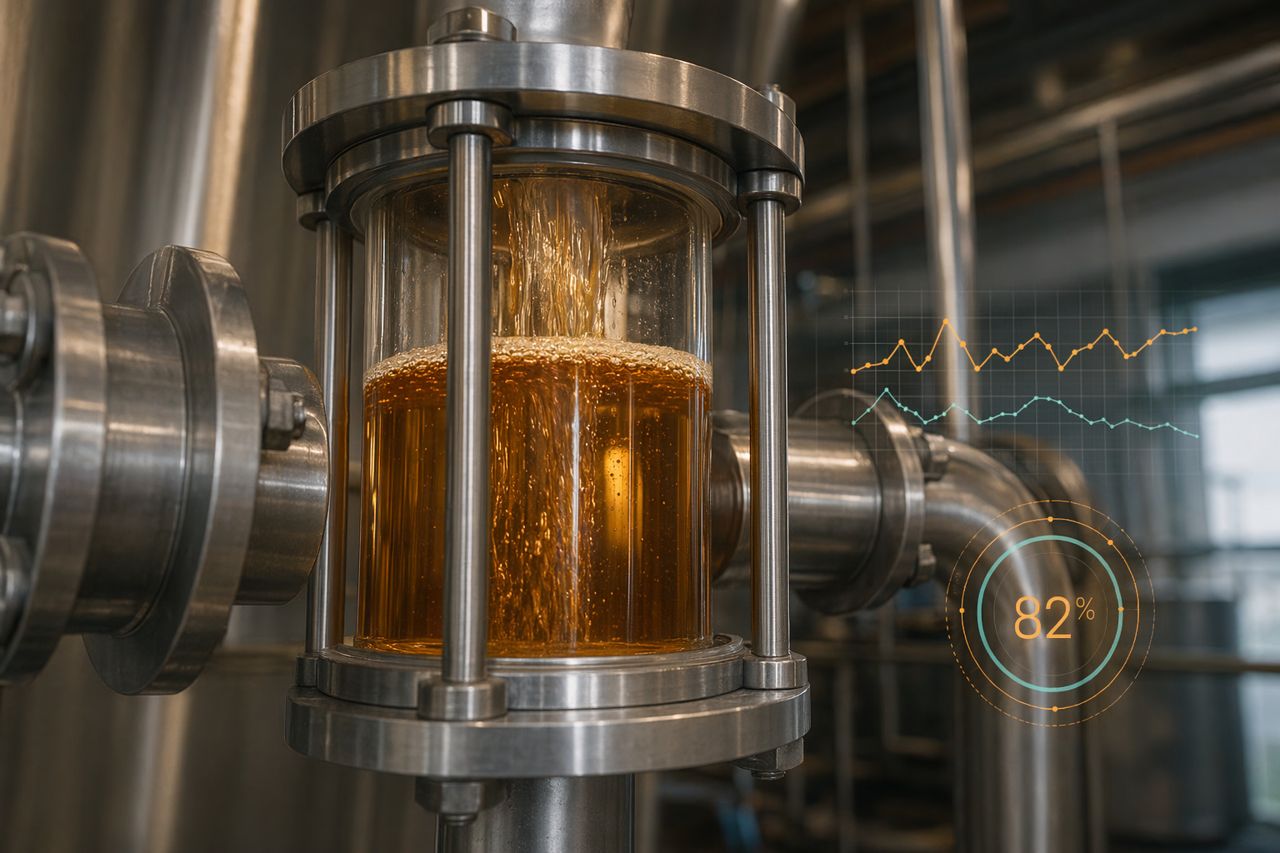
High adjunct beers can carry more haze-active compounds, glucans, fine solids, and trub. Enzyme planning in the brewhouse can reduce downstream stress, but it should be balanced against style goals, especially for hazy beer.
If flavor seems muted or overworked
Long holding, repeated transfers, aggressive corrections, and stressful lautering can all affect finished beer quality. A smoother mash and runoff can help protect the flavor the brewer designed.
Enzyme planning without losing craft intent
The best enzyme program is not the most aggressive one. It is the most appropriate one.
For craft breweries, that usually means:
- Start with the beer’s flavor, body, and finish targets.
- Identify the brewhouse constraint that is limiting the recipe.
- Choose enzyme functions that address that constraint directly.
- Keep the mash plan simple enough for production staff to repeat.
- Validate the result through wort behavior, cellar performance, finished beer sensory, and packaged stability.
This is where a process-literate supplier matters. Mashwright is a brewing enzyme supplier for craft breweries that understands the difference between chasing numbers and making beer that sells, repeats, and holds up in the market.
What to document during trials
When testing non-barley grains, keep the trial records practical. The goal is to connect the grist to the brewhouse outcome.
Useful notes include:
- Grain supplier, format, and lot.
- Mill setting and visual crush quality.
- Mash-in behavior and mixing observations.
- Rest profile and pH target.
- Runoff speed and bed behavior.
- Kettle fill and extract trend.
- Wort clarity or turbidity observations by style.
- Fermentation curve and terminal profile.
- Yeast handling notes.
- Sensory notes at tank, package, and shelf intervals.
- Any cellar or packaging delays related to solids, haze, or filtration load.
A few disciplined pilot brews can save a production schedule later.
Common mistakes with non-barley grists
Treating all adjuncts as interchangeable
Flaked oats, malted oats, raw oats, and toasted oats do not behave the same. The same is true across corn, rice, wheat, and specialty grains.
Ignoring physical separation
A great mash conversion still needs to move through the lauter and cellar. Huskless grains and sticky grists need bed structure and flow planning.
Overcorrecting fermentability
More fermentability is not always better. Many non-barley beers depend on texture, balance, and residual body.
Waiting until the production batch to learn
Alternative grains deserve bench and pilot thinking, especially when the beer is tied to a launch date, taproom event, or distribution commitment.
Separating process from flavor
Process changes affect sensory outcomes. A stable mash is part of flavor protection, not just efficiency.
How Mashwright supports non-barley grain programs
Mashwright helps craft breweries match enzyme function to recipe intent and brewhouse reality. We look at the grain bill, process constraints, desired beer profile, and production scale before recommending a path.
Typical conversations include:
- High-wheat and high-rye lautering support.
- Oat-heavy hazy beer viscosity management.
- Rice or corn adjunct conversion support for clean lager profiles.
- Specialty grain trials for local or seasonal releases.
- Fermentability alignment across variable grain lots.
- Extract and yield improvement without flattening flavor.
- Brewhouse troubleshooting when a new grist slows the schedule.
The aim is simple: give the brewer more room to create without giving up process control.
Ready to test a non-barley grain recipe?
If you are planning a wheat-forward seasonal, a rye IPA, an oat-heavy hazy, a crisp adjunct lager, or a specialty grain pilot, Mashwright can help you evaluate the process risk before the brew day goes sideways.
Request a quote through the on-site form and tell us your grist, beer style, batch scale, and main brewhouse constraint. We will help you identify the enzyme support that fits your process and protects the beer you set out to make.