Sticky Mash Troubleshooting: A Brewhouse Checklist Before the Next Brewday
Sticky mash problems rarely come from one thing. They usually build quietly across grist condition, malt lot variation, adjunct load, water chemistry, mash temperature control, and lauter practice. By the time runoff slows or the rake starts working too hard, the wort has already told the story.
Mashwright is a brewing enzyme supplier for craft breweries that need practical, production-ready support: better mash flow, more predictable extract, steadier fermentability, and flavor protection without turning the brewhouse into a lab exercise.
Use this checklist before the next brewday to separate mechanical issues from raw material and mash-conversion issues — and to decide when an enzyme-supported process adjustment may be the most controlled fix.
What brewers mean by a “sticky mash”
A sticky mash is not just a slow lauter. It is a process condition where the mash resists separation because the liquid phase is too viscous, the grain bed is compacted or poorly structured, or soluble material from malt and adjuncts has not been managed well enough for clean wort movement.
Common symptoms include:
- Slow first wort collection
- Rakes drawing more load than normal
- Bed compaction during vorlauf or runoff
- Cloudy wort that resists clearing
- Poor extract recovery from an otherwise normal grist bill
- Extended runoff that pushes the brewday out of rhythm
- Fermentation that finishes differently than expected
The goal is not simply to “make it run faster.” The goal is to protect wort quality while restoring predictable brewhouse performance.
Start with the obvious: mechanical and process checks
Before changing the recipe or adding processing aids, confirm the basics.
1. Mill gap and husk condition
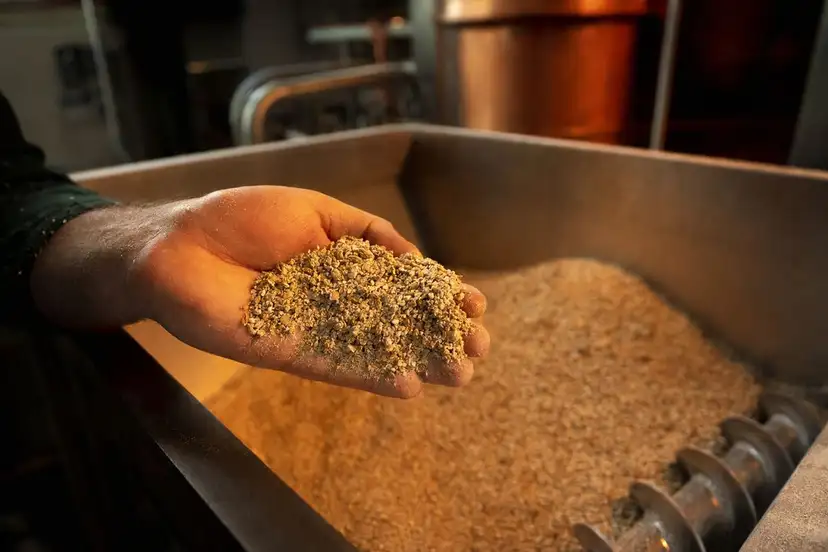
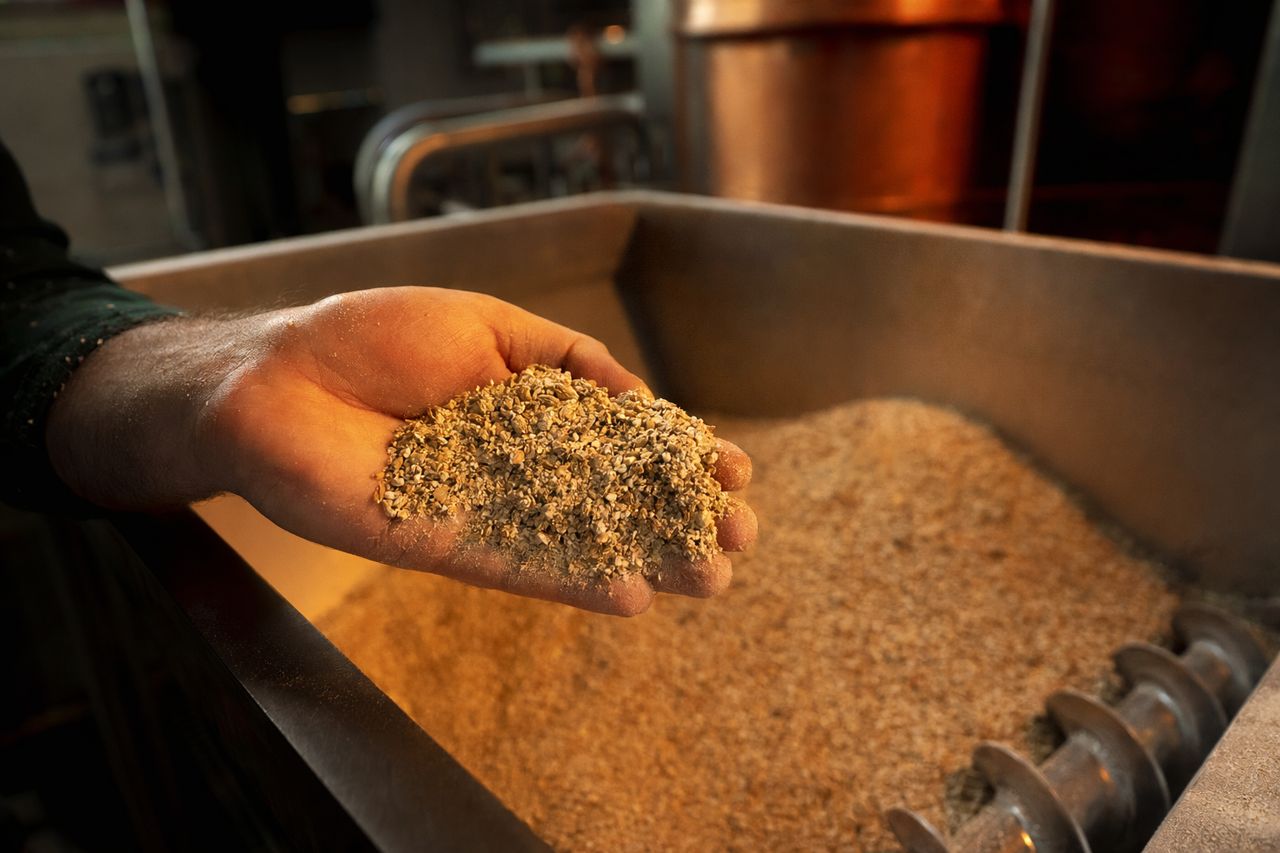
A mash can become sticky when the grist is too fine, especially if husk material is shredded instead of opened cleanly. Fine flour can improve extract on paper but create a compact bed that punishes runoff.
Check for:
- Excess flour in the grist
- Shredded husk rather than intact husk structure
- Seasonal grain moisture changes affecting crush behavior
- Different crush needs between base malt and adjunct-heavy recipes
If your runoff problem appeared after a mill adjustment, malt lot change, or new adjunct addition, look here first.
2. Mash thickness and hydration
Dry pockets and inconsistent hydration can produce localized doughing, poor enzymatic access, and uneven conversion. This is especially common with high wheat, rye, oat, or unmalted adjunct loads.
Watch for:
- Dough balls during mash-in
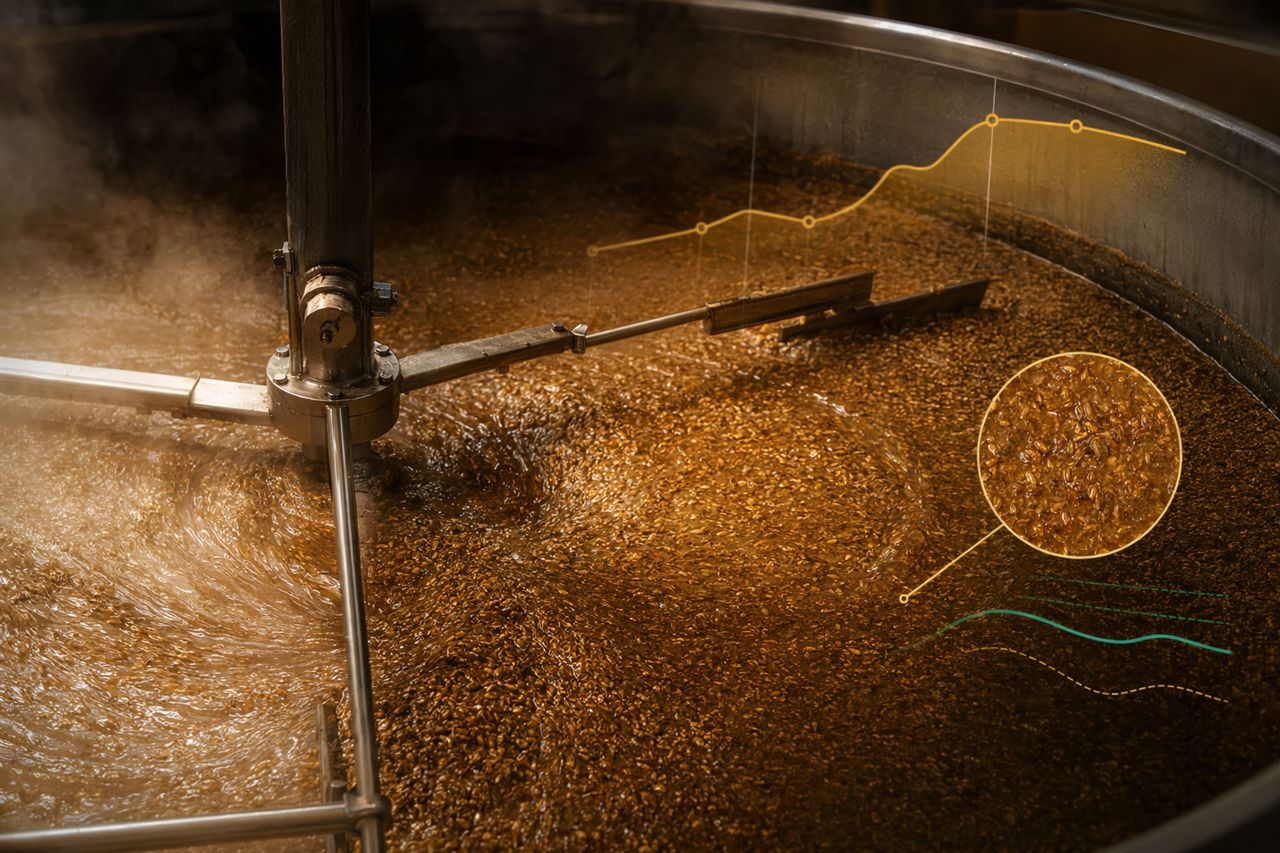
- Mash zones that look gelatinous rather than fluid
- Inconsistent temperature across the tun
- Agitation patterns that leave corners under-mixed
A well-hydrated mash gives both native malt enzymes and added brewing enzymes better access to starch, gums, and protein networks.
3. Temperature rests and actual vessel behavior
The thermometer may say the mash is in range, but the grain bed may not agree. Stratification, steam-jacket overshoot, and poor circulation can create hot or cold zones that change viscosity and fermentability.
Review:
- Actual rest stability, not just target setpoints
- Heat-up rate between rests
- Hold time during high-adjunct mashes
- Any recurring difference between top, middle, and bottom measurements
Small temperature deviations can show up later as slow runoff, variable attenuation, or unexpected body.
Ingredient-driven causes of sticky mash
Sticky mash events often follow raw material changes. Craft breweries move fast: seasonal releases, hazy beer programs, barrel bases, high-gravity worts, local grains, and adjunct-forward recipes all increase variability.
High beta-glucan malt or under-modified lots
Some malt lots carry more cell-wall material than expected. Even when the spec sheet looks acceptable, the brewhouse may see higher viscosity, slower runoff, or more difficult wort clarification.
Signs include:
- Sticky bed across several recipes using the same malt lot
- Good starch conversion but poor separation
- Increased turbidity during runoff
- Higher load on the lauter system
A targeted beta-glucanase strategy can help reduce wort viscosity and improve flow without forcing a major recipe rewrite.
Wheat, rye, oats, and adjunct-heavy grists
Wheat and rye bring desirable foam, body, and flavor, but they can also contribute gums and soluble fibers that make the mash less mobile. Oats add texture and haze potential, but high oat loads can challenge runoff.
For these grists, watch:
- Mash viscosity early in the rest
- Vorlauf clarity and speed
- Bed compression during runoff
- Brewhouse yield compared with lower-adjunct brands
The right enzyme approach can help unlock extract and improve separation while preserving the sensory intent of the beer.
High-gravity brewing
High-gravity mashes magnify everything: hydration limitations, viscosity, starch accessibility, heat transfer, and lautering pressure. A grist that runs acceptably at standard gravity may become difficult when pushed harder.
Practical indicators:
- Slower runoff at the same grist composition
- More residual extract left in the grain bed
- Longer brewdays and less predictable knockout volume
- Attenuation drifting below target
Amylase support can help improve starch breakdown and wort fermentability when the process needs more control.
Where brewing enzymes fit in the troubleshooting map
Brewing enzymes are not a substitute for good milling, mash-in, or lauter discipline. They are tools for controlling specific conversion and separation problems when raw materials or recipe goals are pushing the system.
Mashwright supports craft breweries with enzyme solutions aimed at practical brewhouse outcomes:
- Lower mash and wort viscosity
- Improved lautering and runoff consistency
- Better extract recovery from challenging grists
- More predictable attenuation
- Support for adjunct, wheat, rye, oat, and high-gravity recipes
- Reduced batch-to-batch variation when malt quality shifts
- Flavor-conscious process control that respects the beer style
Common enzyme functions in sticky mash troubleshooting
Beta-glucanase support
Helps break down beta-glucan structures that increase viscosity and slow wort separation. Useful when malt lot variation, under-modification, oats, wheat, or rye are contributing to runoff difficulty.
Xylanase support
Targets arabinoxylan-rich material that can contribute to viscosity and filtration stress, especially in certain cereal adjunct and wheat-heavy grists.
Amylase support
Improves starch conversion and fermentability control where high gravity, limited mash time, or adjunct inclusion make native malt enzyme performance less predictable.
Protease support
Can help manage protein networks in specific mash programs, but should be used carefully. The objective is process stability without stripping body, foam quality, or the malt character the beer was built around.
A practical sticky mash checklist for the next brewday
Use this before committing to a permanent process change.
Before milling
- Confirm the malt lot and compare it with the last successful brew
- Check grain moisture feel and crush behavior
- Inspect husk condition after milling
- Separate the discussion of extract from the discussion of bed structure
During mash-in
- Watch hydration quality, not just water volume
- Confirm there are no dough balls or dry cores
- Check temperature at more than one point if your tun allows it
- Note whether the mash looks fluid, heavy, gummy, or unusually tight
During rests
- Track whether viscosity improves as expected
- Watch agitation response and tun load
- Avoid unnecessary heat shock or overshoot
- Record how the mash behaves before runoff, not only after trouble starts
During vorlauf and runoff
- Record time to clear
- Note bed compaction and rake behavior
- Track runoff speed against the same brand’s historical pattern
- Measure extract recovery against expectation
- Note whether sparge response is normal or sluggish
After knockout
- Compare actual volume, extract, and fermentability direction to target
- Review whether the issue followed the ingredient lot, recipe type, or equipment change
- Decide whether the next test should be mechanical, recipe-based, or enzyme-supported
When to trial an enzyme-supported fix
Consider a controlled enzyme trial when the problem is repeatable and linked to mash composition rather than a one-off operator or equipment issue.
Good candidates include:
- Hazy IPA grists with high oats or wheat
- Rye beers that repeatedly lauter slowly
- High-gravity wort production with variable attenuation
- Local or craft malt lots with changing modification
- Adjunct beers where extract is left behind in the grain bed
- Seasonal recipes that need better brewhouse rhythm without losing identity
The best trial is narrow. Change one thing, document the result, and judge the enzyme by production outcomes: runoff behavior, extract recovery, fermentation performance, and finished beer quality.
Protecting flavor while improving process
The brewer’s concern is fair: nobody wants an enzyme addition to flatten malt character, thin out the palate, or create a beer that no longer drinks like the recipe.
That is why enzyme selection should be tied to the actual constraint. If viscosity is the issue, target viscosity. If fermentability is the issue, target fermentability. If extract is the issue, target starch access and conversion. Avoid broad changes when a specific correction will do.
A good enzyme program should help the beer move through the brewhouse more cleanly while leaving the brand’s flavor architecture intact.
What Mashwright needs to recommend the right direction
When you contact Mashwright, bring the production context. A short process picture is more useful than a generic problem statement.
Helpful details include:
- Beer style and batch size
- Grist bill by percentage
- Malt lot changes or adjunct source changes
- Mill settings and observed crush quality
- Mash schedule and rest behavior
- Lauter tun or mash filter setup
- Runoff time and any bed compaction observations
- Target and actual extract
- Target and actual attenuation direction
- Any flavor or body constraints that must be protected
With that information, Mashwright can help identify whether beta-glucanase, xylanase, amylase, protease, or a blended approach makes sense for your brewhouse.
Request a quote for your brewery’s mash challenge
If sticky mash, slow runoff, low extract, or inconsistent fermentability is costing time in your brewhouse, Mashwright can help you evaluate an enzyme approach built around your recipe and equipment.
Request a quote through the on-site contact form and include your grist bill, mash schedule, and the issue you are trying to solve. We will respond with a practical recommendation for your next controlled trial.